Why Your Mate Two Streets Away Sees a Better Free Bingo Offer Than You

Photo: Thomas Quine, CC BY 2.0, via Wikimedia Commons
You are at the kitchen table with a friend. Both phones are on the same Wi-Fi. You open the same bingo brand, and she gets twenty free cards plus a fiver. You get ten cards and a wagering requirement that looks like a bus timetable. Nobody has done anything wrong, exactly, and yet it stings.
This happens constantly, and it is worth understanding rather than stewing over. Here is why the postcode, the link and the cookie jar all change what you see — and how to judge your own offer on its merits.
Same site, different front door
A bingo brand rarely shows one welcome offer to everybody. It shows a set of variants, and the variant you get is chosen by a mix of rules running behind the page. Some are geographic. Some are commercial. Some are pure experiment. From the outside it looks like favouritism. From the inside it is usually a spreadsheet.
Geo-targeting: postcodes, IP addresses and marketing regions
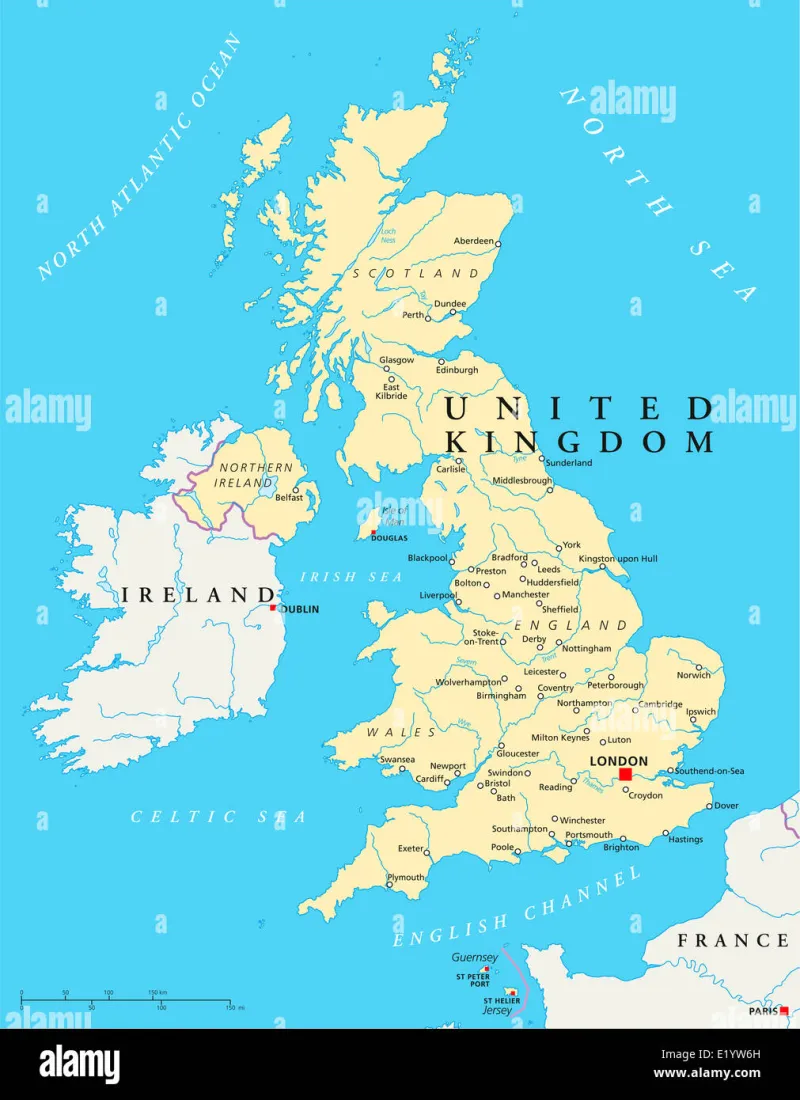
Operators can make reasonable guesses about where you are from your IP address and, if you have told them, your postcode. That can affect which promotion you are served — regional campaigns, different creative for Scotland or Northern Ireland, or budget spent in one area and not another.
It is also why a screenshot from a forum can be useless. An offer shown to someone in a different region, or on a different connection, may never have been available to you at all. Not withdrawn, not unfair — just not your version.
The link you clicked carried a message
If you arrived via a comparison site, a newsletter or a friend's referral, the address you landed on probably contained a tracking code. That code tells the operator which partner sent you, and partners often have their own negotiated welcome package. Two people can sign up to the same brand on the same day and get genuinely different deals because one came through an affiliate link and one typed the domain in directly.
This is a big reason a headline offer in an advert does not always match what appears after you click. The advert is the shop window. The landing page is the till.
Cookies, consent and the offer that follows you
Once you have visited a bingo site, a cookie or a stored identifier may remember you. Come back a week later and you might see the retention offer rather than the new-player one — sometimes better, sometimes noticeably worse. Clearing cookies, using a different browser or switching from mobile data to home broadband can all change what appears.
That cuts both ways. It means the offer you are shown is not a fixed truth about the brand, and it means you should not assume the deal you saw in October is the deal you will get in December.
Sometimes it is just a test
Operators run A/B tests on welcome offers the way supermarkets test pricing. Two versions go live, half of visitors get each, and the results decide which one survives. If your friend got the better-looking one, there is a fair chance she was in the experimental group and that offer will be gone by next month.
Why the screenshot is a poor benchmark
A screenshot proves that an offer existed, on one device, in one place, at one moment, through one link. It does not prove it is available to you, and it certainly does not prove it is better. The headline is the least interesting part. What matters is underneath.
Judging the offer in front of you
Forget the card count for a second and read the small print on your own version. Ask:
- What is the wagering requirement? On bingo it is often expressed as a multiple of bonus, and it can be high enough to make a generous-looking offer very thin.
- What is the maximum cashout? A no-deposit deal with a £5 cap is a different product from one with a £50 cap, whatever the card count says.
- How long do I have? Expiry windows of seven days are common and unforgiving.
- Which rooms count? Some bonuses only work in specific rooms at specific times.
- What is the minimum withdrawal, and what payment methods are excluded? A £20 minimum turns a £12 win into a promise.
- What verification will I need before any payout? If you cannot pass it, the offer is worth zero to you.
Score your offer against those six and you will know in ninety seconds whether it is worth your email address.
Comparing fairly with a friend
If you both want to compare, do it properly: same brand, same day, screenshot the full terms page rather than the banner, and note the link each of you used. Very often the difference is explained by the route in, not by anything personal.
And if your friend genuinely has the better deal? Use her link, or wait. Offers rotate constantly, and the version you cannot get today is frequently the version everyone gets in February.
The takeaway
Personalised offers are not a scandal, they are marketing — but they do mean there is no such thing as a universal free bingo deal. Judge the one on your screen, in writing, with the numbers in front of you. Chasing a screenshot is a hobby. Reading the terms is a strategy.